
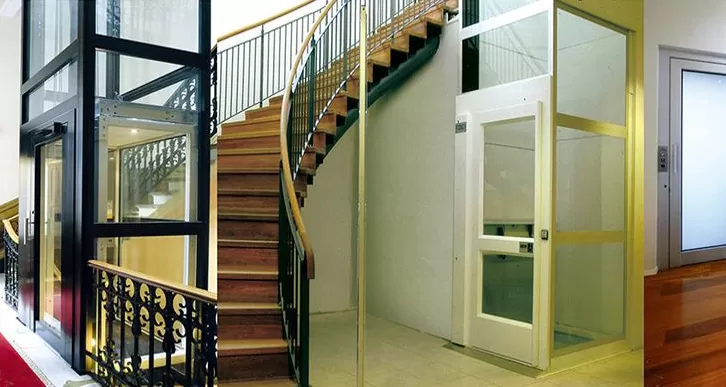
A small lift for home installation has quietly become one of Singapore’s most significant residential innovations, fundamentally altering how families approach multi-storey living in landed properties. This technological shift represents more than mere convenience—it embodies a profound transformation in domestic architecture, accessibility planning, and intergenerational housing strategies that reflects Singapore’s evolving demographic landscape and commitment to inclusive design.
The Silent Architectural Revolution
The proliferation of small lifts for homes across Singapore’s residential landscape marks a watershed moment in domestic engineering. These compact vertical transport systems, once considered luxury additions, have evolved into essential infrastructure for modern multi-storey living. The transformation reflects deeper societal changes: an ageing population, increased awareness of accessibility needs, and the practical challenges of navigating multi-level homes with heavy items, elderly family members, or mobility constraints.
Singapore’s Building and Construction Authority has witnessed a remarkable surge in applications for residential small lift for home installations, with permits increasing by over 300% in the past five years. This surge indicates not merely a trend, but a fundamental shift in how residents conceptualise domestic space and accessibility.
Engineering Marvels in Miniature
The technical sophistication of modern small lifts for homes represents a triumph of compact engineering. These systems must navigate the complex constraints of existing residential structures whilst maintaining safety standards equivalent to commercial installations. The challenge involves retrofitting vertical transport into spaces never designed for such systems, requiring innovative solutions that preserve structural integrity whilst maximising functionality.
Contemporary small home lifts incorporate several advanced features:
- Machine-room-less technology reducing space requirements
- Energy-efficient motors with regenerative braking systems
- Sophisticated safety systems including emergency communication
- Customisable cabin designs matching home aesthetics
- Quiet operation minimising household disruption
The engineering challenges extend beyond mere mechanical considerations. Successful small lift for home installations require careful integration with existing electrical systems, compliance with fire safety regulations, and thoughtful consideration of structural loading requirements.
The Economics of Vertical Mobility
Investment in a small lift for home represents a significant financial commitment that increasingly demonstrates substantial returns. Property valuations consistently show that homes equipped with residential lifts command premium prices, with estate agents reporting increases of 15-20% in market value for properties featuring well-integrated small home lifts.
The economic calculus extends beyond property values to encompass healthcare costs, quality of life improvements, and long-term residential planning. As Singapore’s population ages, the installation of small lifts for homes becomes an investment in future mobility and independence, potentially delaying or eliminating the need for residential care arrangements.
Demographic Drivers and Social Impact
Singapore’s rapidly ageing population creates compelling demand for small lifts for homes. The Department of Statistics projects that by 2030, one in four Singaporeans will be over 65, creating unprecedented challenges for multi-storey residential living. The small lift for home represents a proactive solution that enables ageing in place whilst maintaining dignity and independence.
Occupational therapist Dr. Sarah Lim notes: “The installation of small lifts for homes fundamentally transforms the relationship between residents and their living spaces. We’re seeing elderly clients who can remain in their family homes decades longer than previously possible, maintaining social connections and familiar environments that are crucial for psychological wellbeing.”
Regulatory Framework and Safety Considerations
The Singapore government has developed comprehensive regulations governing small lift for home installations, ensuring safety standards whilst facilitating residential accessibility improvements. The Building Control Act requires all residential lifts to meet stringent safety requirements, including regular inspections, certified installations, and compliance with international safety standards.
These regulatory frameworks balance innovation with safety, ensuring that small lifts for homes integrate seamlessly with Singapore’s broader urban safety infrastructure. The regulations also address fire safety considerations, emergency evacuation procedures, and maintenance requirements that protect both residents and first responders.
Design Integration and Aesthetic Considerations
Modern small lifts for homes have evolved far beyond utilitarian transport devices to become integrated design elements that enhance rather than compromise residential aesthetics. Contemporary systems offer extensive customisation options, allowing homeowners to select finishes, lighting, and cabin designs that complement existing interior architecture.
The challenge of integrating a small lift for home into existing residential spaces requires sophisticated design thinking. Successful installations preserve the character of traditional shophouses or modern landed properties whilst adding functional value. This integration demands collaboration between architects, engineers, and interior designers to achieve seamless results.
Technological Innovation and Future Developments
The small lift for home industry continues evolving with technological advances that promise even greater integration with smart home systems. IoT connectivity enables remote monitoring, predictive maintenance, and integration with home automation platforms. These developments suggest a future where small home lifts become central components of comprehensive smart home ecosystems.
Emerging technologies include voice-activated controls, smartphone integration, and AI-powered maintenance scheduling that will further enhance the utility and reliability of residential lift systems.
Cultural Adaptation and Community Response
The adoption of small lifts for homes reflects Singapore’s pragmatic approach to technological integration and social adaptation. Communities that initially viewed residential lifts as excessive luxury have increasingly recognised their practical benefits for family caregiving, household logistics, and long-term residential planning.
The transformation in attitudes towards small home lifts demonstrates Singapore’s capacity for rapid social adaptation when technological solutions address genuine community needs and demographic challenges.
As Singapore continues evolving its residential landscape to accommodate an ageing population and changing family structures, the small lift for home stands as a testament to innovative engineering meeting genuine social need.
